


You May Also Like
- Acoustic Slat Panels
- Flexible Acoustic Panels
- Flexible Soft Stone
- Outdoor WPC Panels
- SPC Marble Sheets

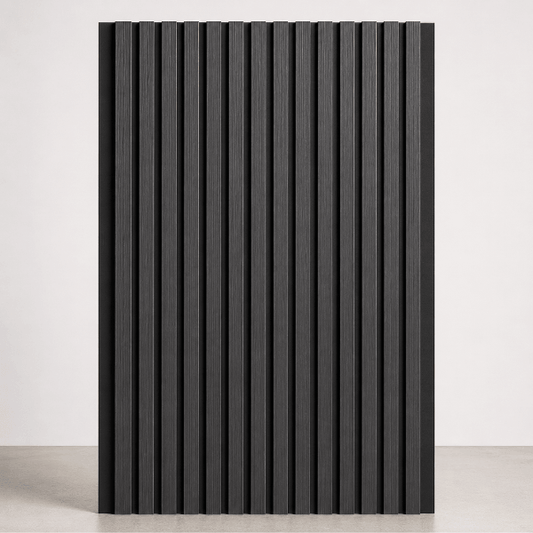
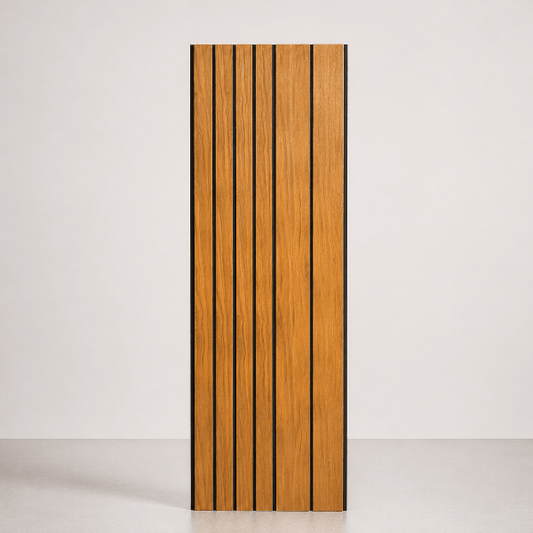
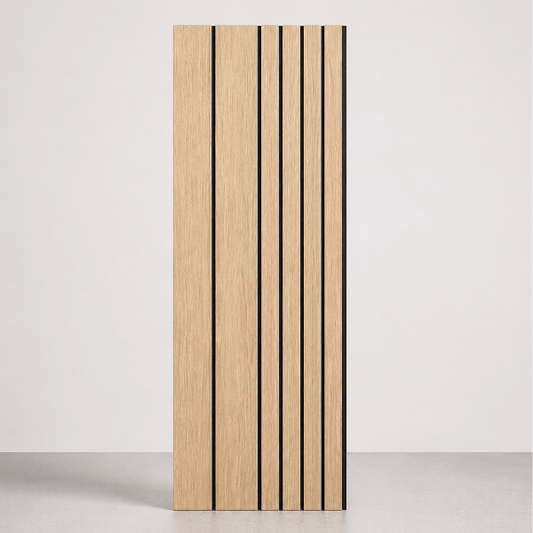
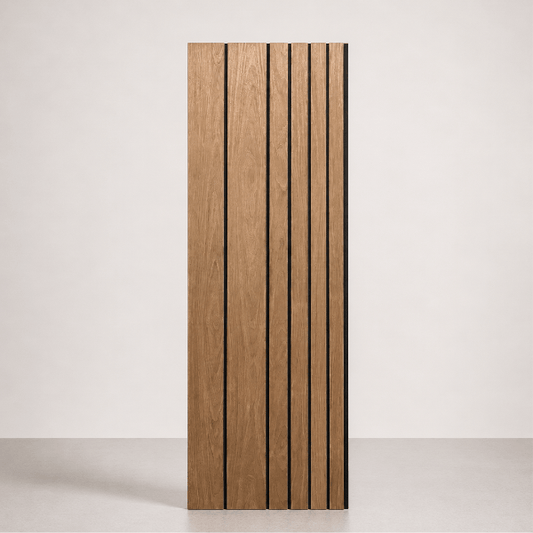

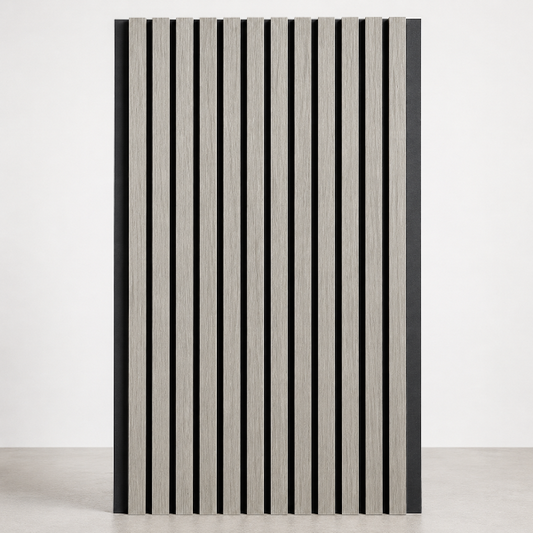
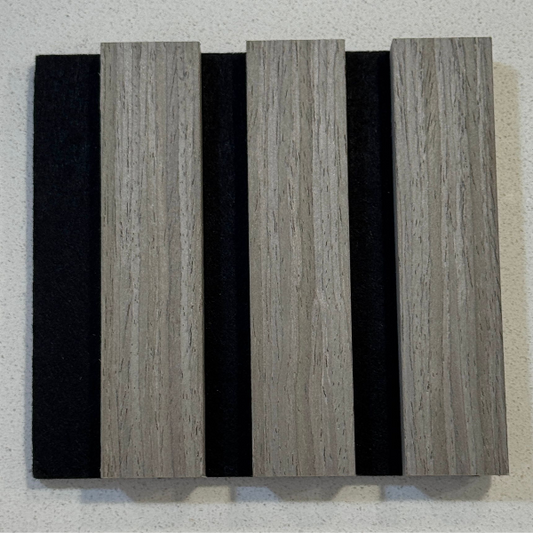
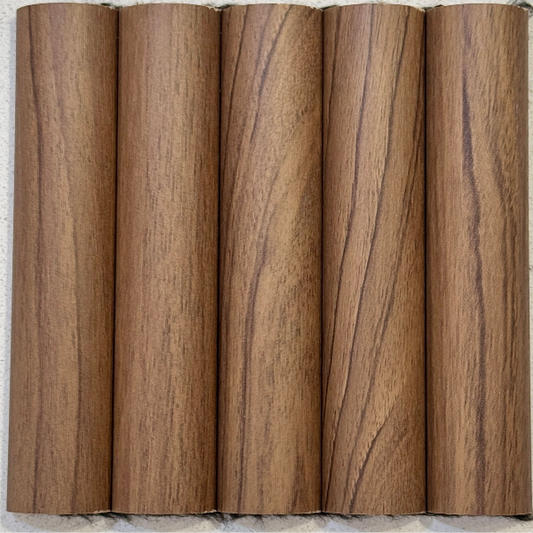
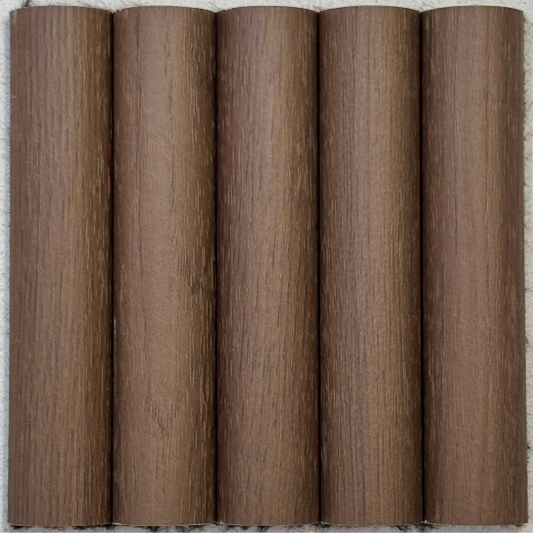
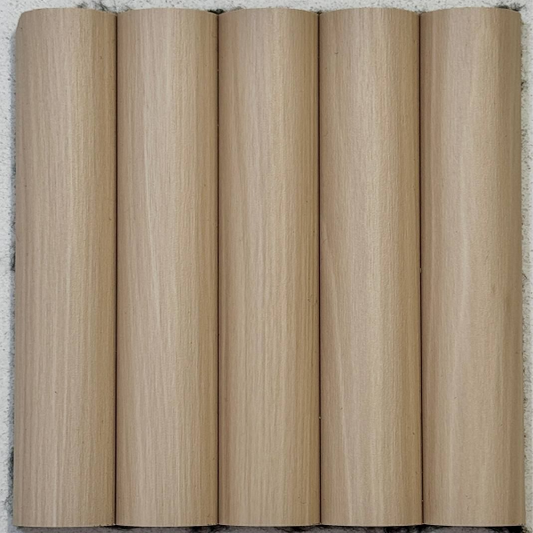
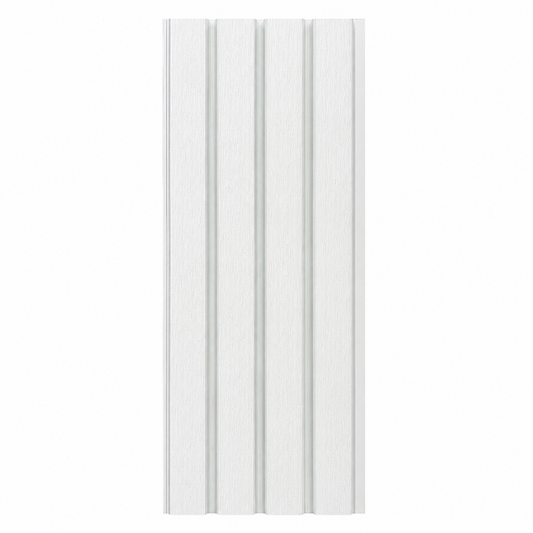
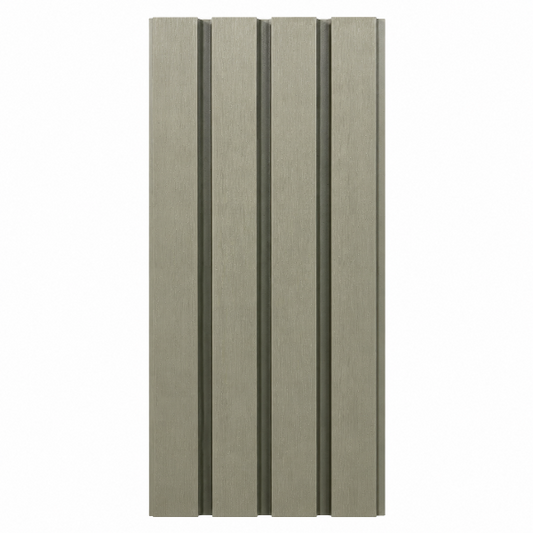
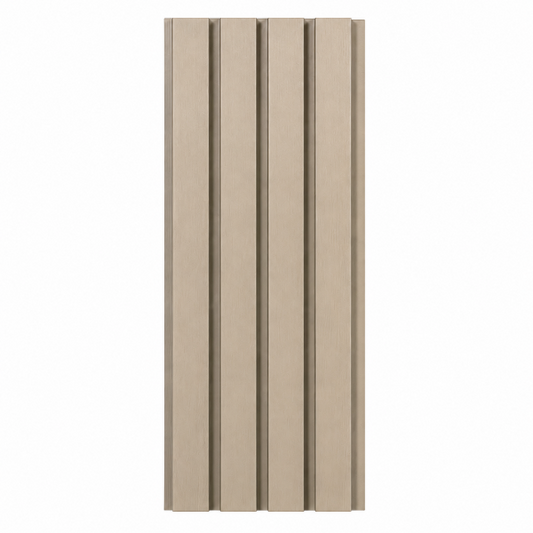
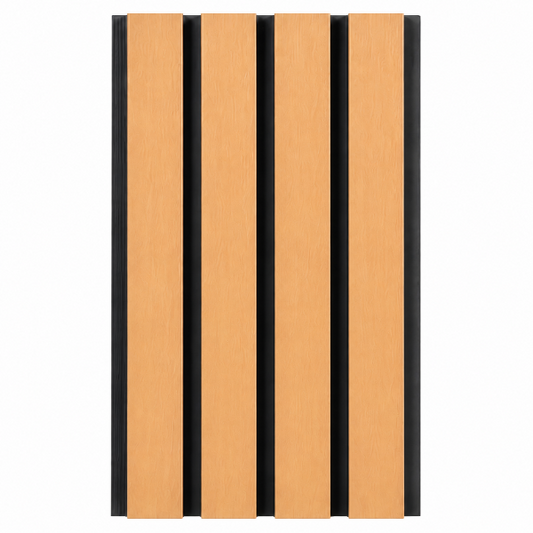
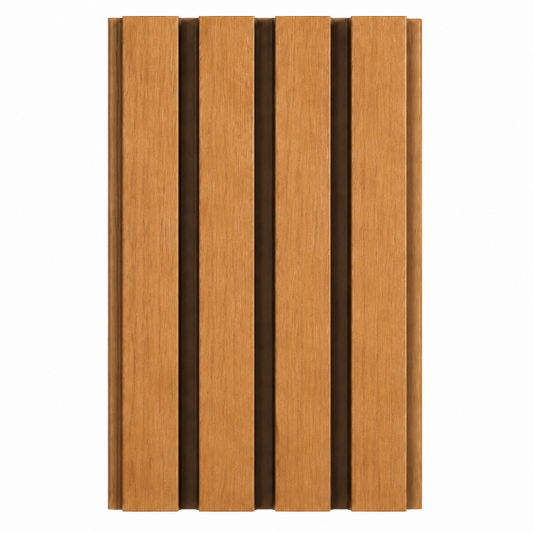
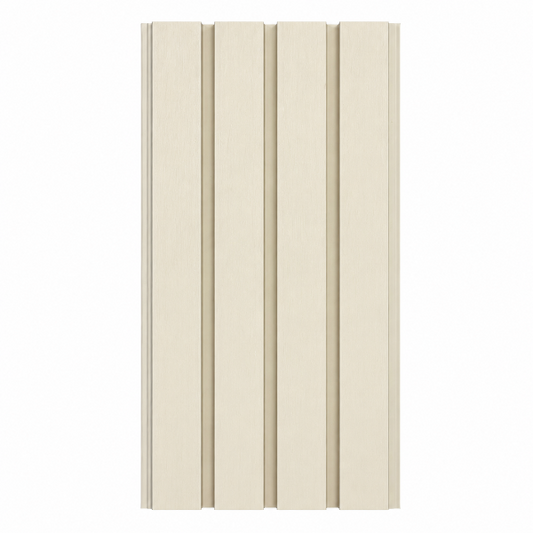
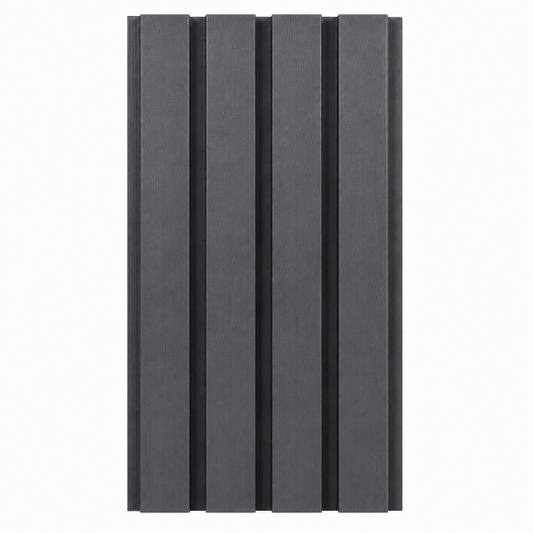


Collection: Premium MDF Acoustic Slat Wall Panels
Listen: Stop Room Echoes With MDF Slat Panels
Key Features of Our Premium MDF Acoustic Slat Wall Panels
- ✓ Premium MDF Slats with Realistic Wood Finish
- ✓ Recycled PET Acoustic Felt Backing
- ✓ Helps Reduce Echo & Reverberation
- ✓ Easy Installation with Adhesive or Screws
- ✓ Suitable for Residential & Commercial Projects
- ✓ Lightweight Yet Durable Construction
- ✓ Low Maintenance Surface
- ✓ Modern Linear Architectural Design
- ✓ Ideal for Walls & Ceilings
- ✓ Available in Multiple Colours & Sizes
How MDF Acoustic Wall Panels Work
The repeated slats create depth across a flat surface, while the felt backing helps create a softer acoustic finish than a bare wall. This can make speech, television and everyday activity feel less harsh in spaces affected by reflected sound.
Results depend on the room, the area covered, panel construction, surrounding materials and installation method. If acoustic performance is central to your project, confirm the available technical information for the selected panel before ordering rather than assuming every decorative panel will perform in the same way.

3D MDF Wall Panels vs MDF Acoustic Slat Panels
The phrase 3D MDF wall panels can describe more than one type of wall finish. Some 3D panels are machined or moulded into raised geometric patterns and are selected mainly for visual texture. Slatted MDF acoustic wall panels create their three-dimensional effect through evenly spaced linear slats fixed over acoustic felt.
Choose according to the result you need. A decorative carved MDF panel may be the better fit when the pattern itself is the main priority. An MDF acoustic wall panel is more suitable when you want a timber-look slatted feature that can also help control echo inside the room. Always check the individual product construction and specifications before treating a decorative 3D panel as an acoustic product.
Where to Use MDF Acoustic Wall Panels
MDF acoustic wall panels can bring texture and a more considered sound environment to many interior settings:
- Living rooms and media rooms: create a feature behind a television or entertainment unit while helping soften reflected sound.
- Bedrooms: add timber-look detail behind a bed or across an otherwise plain wall.
- Home offices and meeting rooms: reduce the hard, echoey feel commonly caused by bare walls, windows and hard flooring.
- Reception and retail spaces: use a linear architectural finish to define customer-facing areas.
- Restaurants and hospitality interiors: introduce warmth and texture in busy spaces where many hard surfaces are present.
- Ceilings: continue the slatted look overhead where the selected product, substrate and fixing method are suitable.
What to Check Before Choosing an MDF Acoustic Panel
Not every panel suits every wall or project. Compare the following details before you decide:
- Panel dimensions: confirm length, width and thickness, then plan joins and cuts around the wall.
- Finish and colour: view the finish against your flooring, cabinetry, furniture and lighting where possible.
- Backing and construction: check that the panel is an acoustic slat product rather than a decorative MDF sheet only.
- Acoustic information: ask for the technical information available for the exact panel if the project has a defined acoustic requirement.
- Installation surface: identify whether the substrate is plasterboard, masonry, timber or another material so the fixing method can be selected correctly.
- Wall or ceiling use: overhead installation requires suitable fixings and careful assessment of the supporting surface.
- Moisture exposure: confirm suitability before installing MDF-based products in damp, wet or exterior areas.
- Stock and lead time: verify the selected finish, size, price and availability before finalising the project schedule.
Plan Your MDF Acoustic Panel Installation
Start by measuring the total width and height of the surface. Note power points, switches, doors, windows, corners and any fittings that will affect the panel layout. Planning the starting point is important because the width of the final cut can change the balance of the slat pattern.
- Check that the wall or ceiling is clean, dry, sound and suitable for fixing.
- Confirm panel orientation and lay out the first and final panel positions.
- Measure twice before cutting around edges, outlets and fittings.
- Use an adhesive or screw system appropriate for the panel and substrate.
- Allow for cutting and reasonable wastage when estimating quantities.
- Use an experienced installer for large walls, ceilings or complicated details if you are not confident with the work.
Installation requirements can vary between products. Follow the instructions supplied with the selected panel and seek project-specific advice where required.
Frequently Asked Questions
Are MDF acoustic wall panels the same as soundproofing?
No. Acoustic panels are generally used to help reduce echo and reverberation within a room. Soundproofing aims to stop sound passing between spaces and usually requires a broader wall, ceiling or floor system.
Do all 3D MDF wall panels absorb sound?
No. Some 3D MDF wall panels are decorative products designed primarily to add surface texture. If sound control matters, check that the selected panel includes acoustic construction or backing and review the technical information available for that product.
Can MDF acoustic wall panels be installed horizontally?
A slatted panel may be used horizontally or vertically when its design, supporting surface and fixing method allow it. Confirm the requirements for the exact product, particularly for ceilings or other overhead applications.
How many MDF acoustic panels do I need?
Measure the wall’s width and height and compare the total area with the dimensions of the selected panel. The final quantity also depends on panel direction, joins, obstacles, cuts and wastage. EMU Design can help review your measurements before ordering.
Can an MDF acoustic panel be used in a bathroom or outdoors?
Do not assume that an MDF-based panel is suitable for wet or exterior use. Check the product’s stated application and moisture limitations first. A different wall-panel material may be required for exposed, wet or high-moisture areas.
Can I install MDF acoustic wall panels myself?
Some straightforward interior installations may suit an experienced DIY customer with the correct tools and fixing products. Professional installation is recommended for ceilings, large surfaces, complex cuts or walls that require preparation.